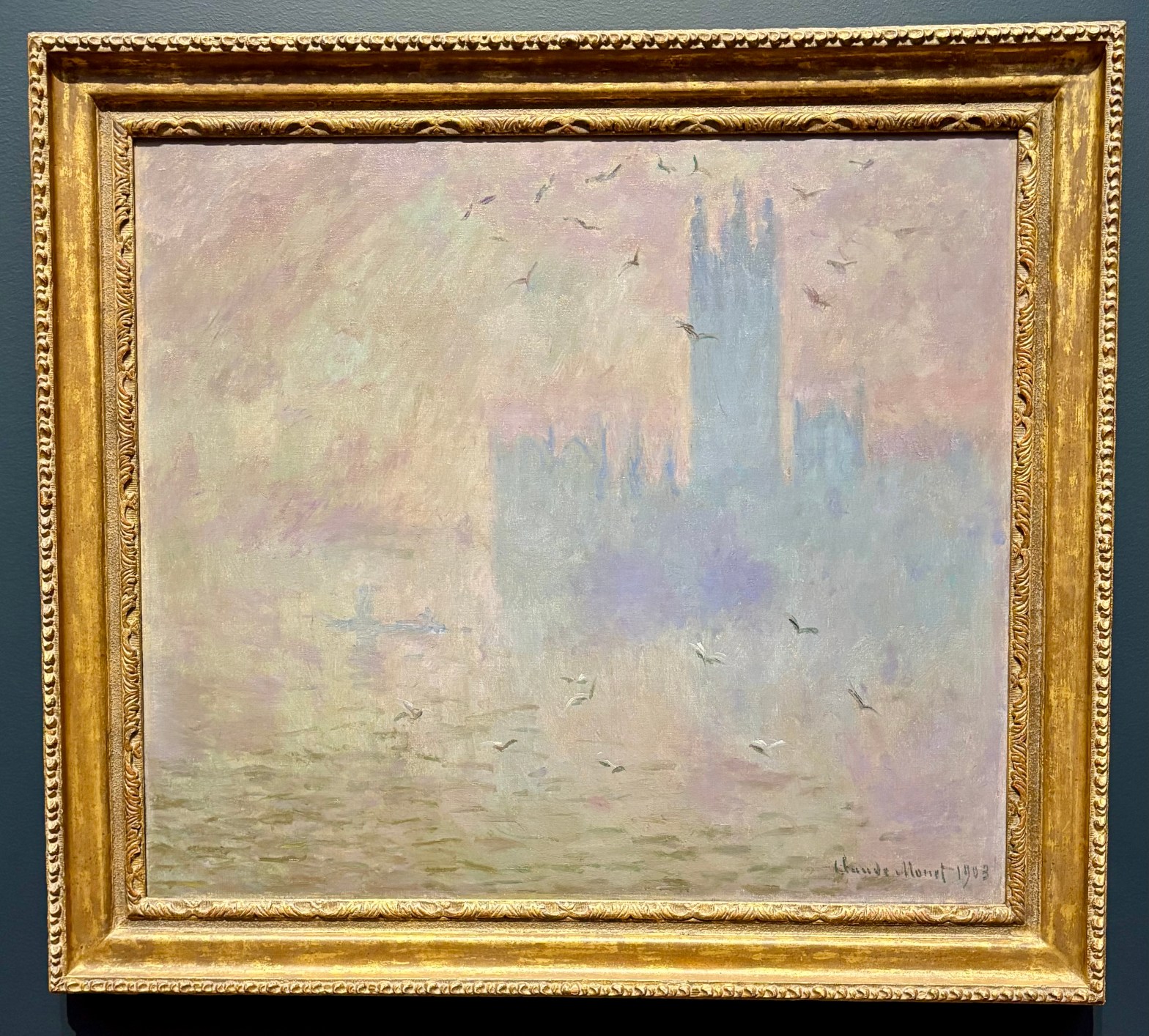
With winds gusting to 50 mph today, I was not in the mood to battle the cold when I expected few birds would be flying. Instead, I headed to the Princeton University Art Museum, intent on pursuing a weird idea: to find birds depicted in the museum’s collections.
The new museum, which opened to the public Oct. 31, was built on the same spot on campus where the previous museum was located. The new museum has a greater gallery capacity in which to show off its outstanding collections.
On this, my second visit to the new building, I spent the bulk of my time on the second floor, where the standing exhibits are based, everything from ancient sculpture to modern paintings.
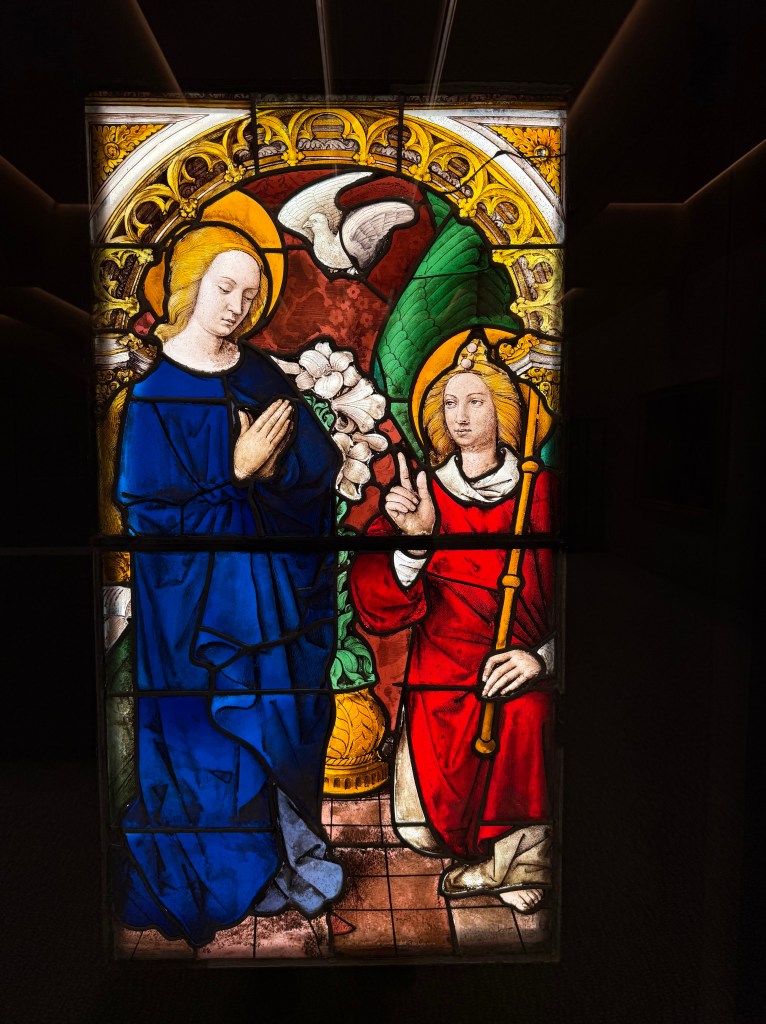
At the top of the stairway that takes visitors from the lobby to the second floor, I spotted the first bird: a dove hovering between the angel and Mary in a stained-glass depiction of the Annunciation. The placard explaining the piece included commentary from Virginia Raguin, an emeritus professor at my alma mater, the College of the Holy Cross, where I minored in art history.
As I entered a gallery that features several Impressionist paintings, I was drawn to a 1903 Monet featuring a flock of seagulls flying before the Houses of Parliament in London. A photo of that painting tops this post.
Turning a corner, I found a spectacular painting from the early 1600s, Cupid Supplicating Jupiter, credited to Willem Panneels, after Peter Paul Rubens. A huge eagle dominates the foreground of the painting. On the same wall was a painting by Rubens himself depicting Jupiter, in the guise of an eagle, abducting Ganymede, who would become cup-bearer to the god (aka Zeus to the Greeks).
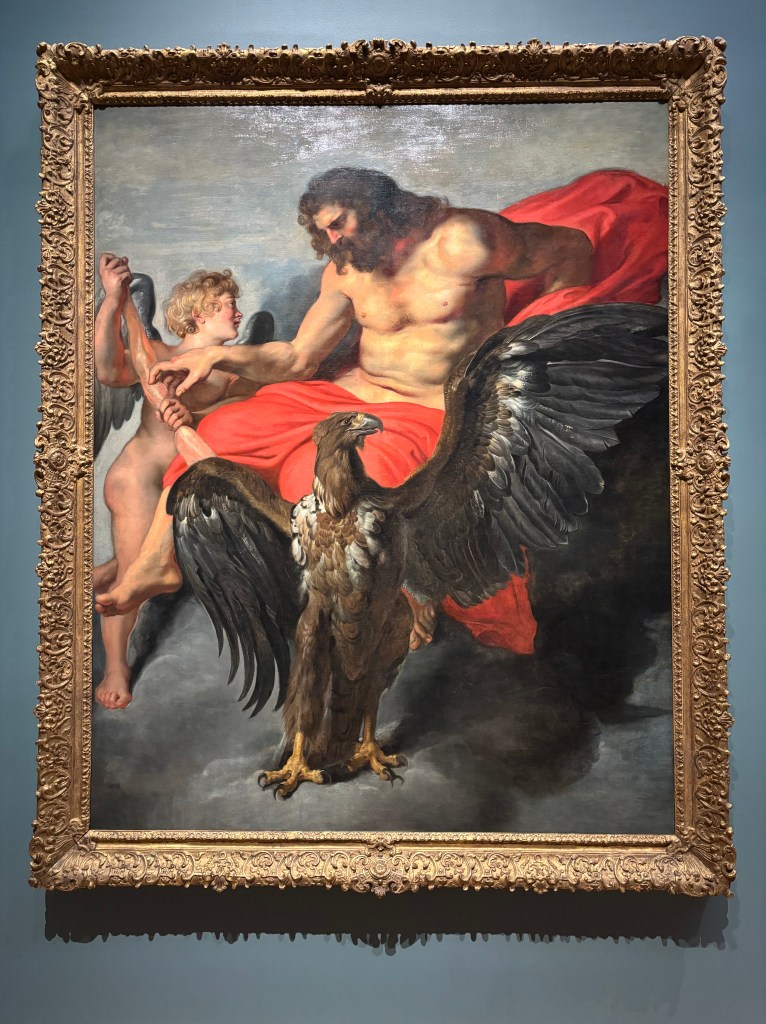
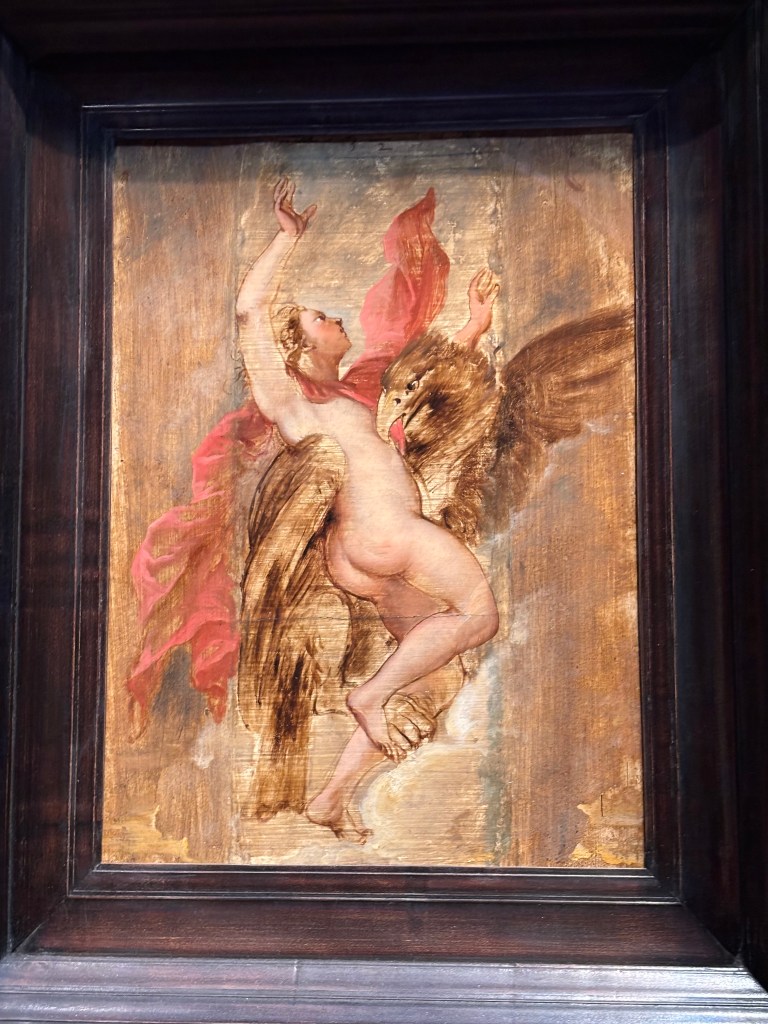
The eagle paintings were the most spectacular depictions of birds that I found during my visit, and I make no claim that I saw every bird in the galleries. There are hundreds of objects on display, many of them small items displayed in glass cases.
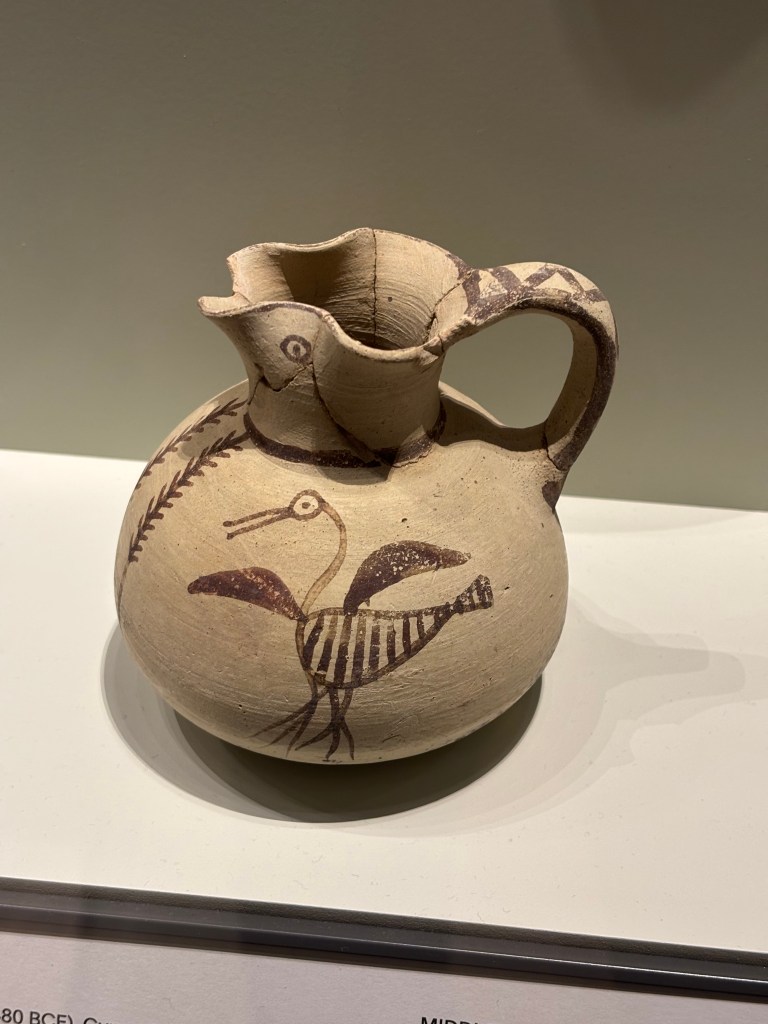
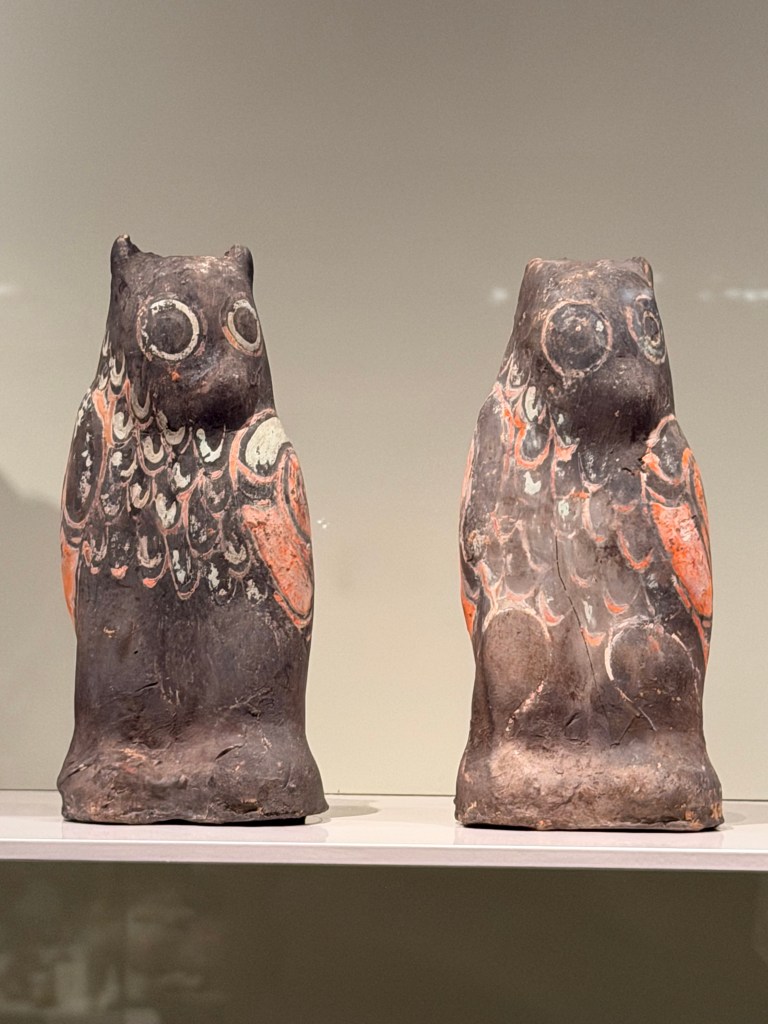
One of my favorite aspects of the new museum is what I jokingly refer to as the Gallery of Useful Pots to Put Things In. It’s a splendidly lit set of cases surrounding an atrium, and the shelves are full of cups, bowls, pitchers, ewers and other items from a wide range of cultures. I’ve included a few of those items in the gallery immediately below.
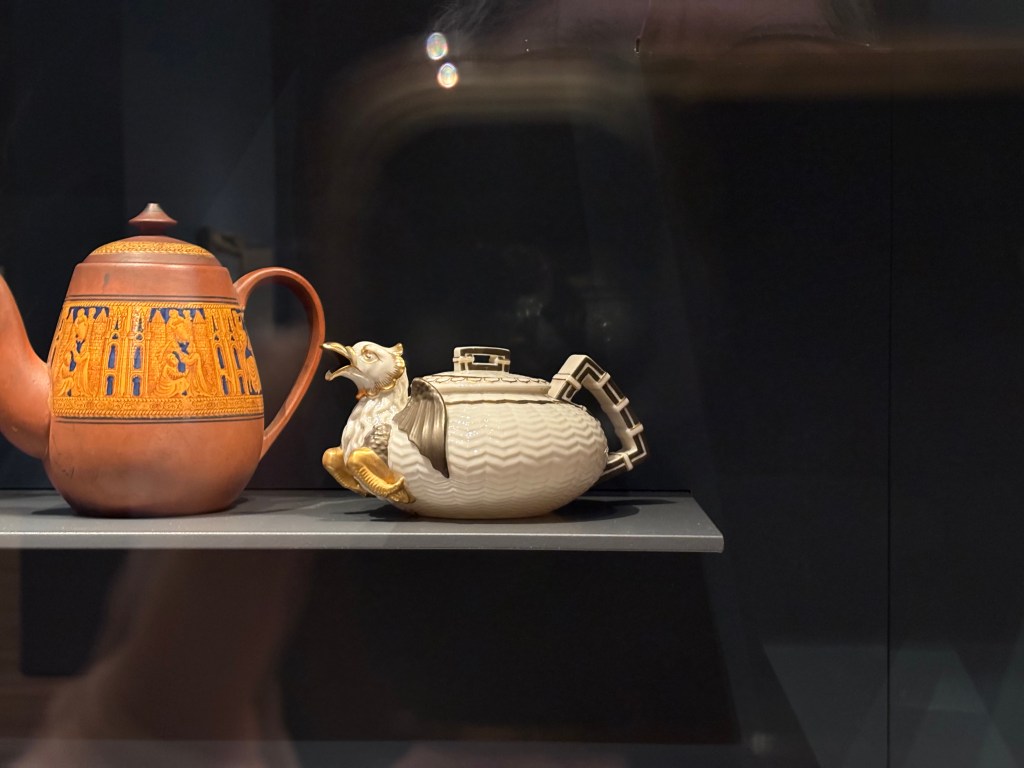
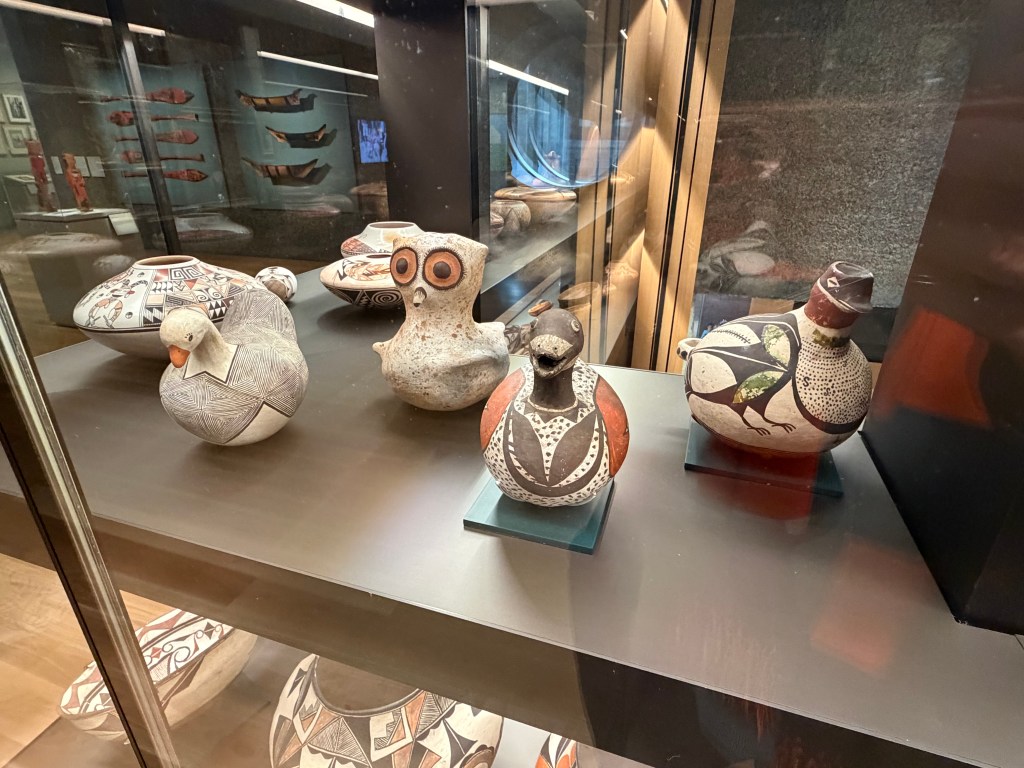

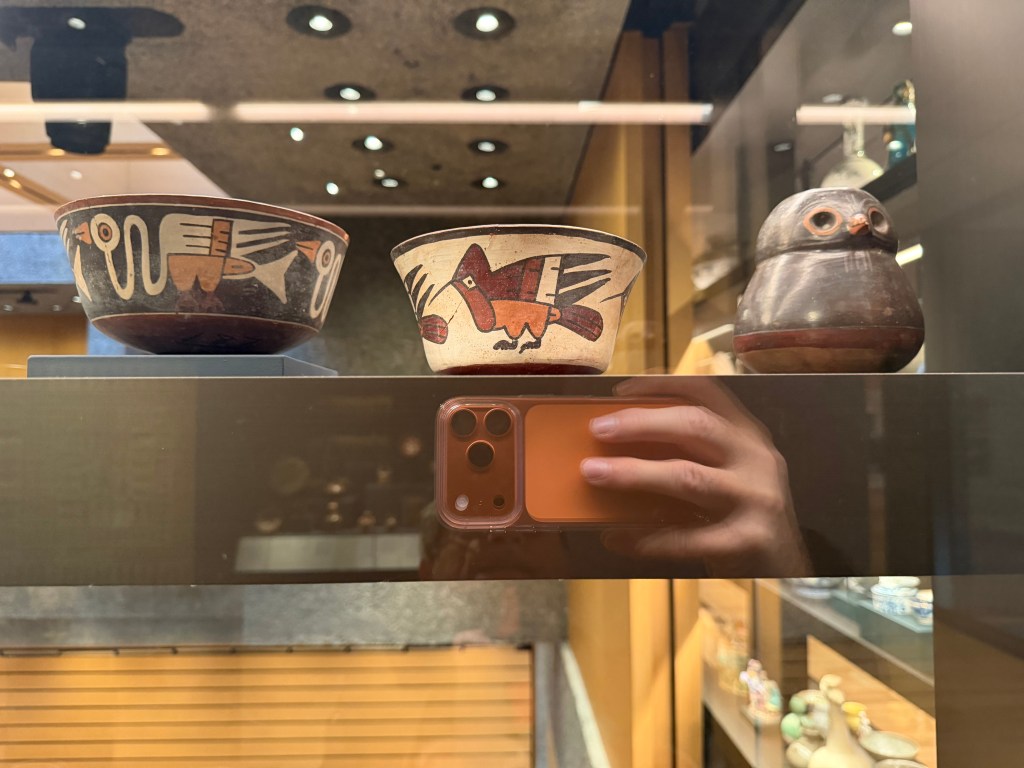
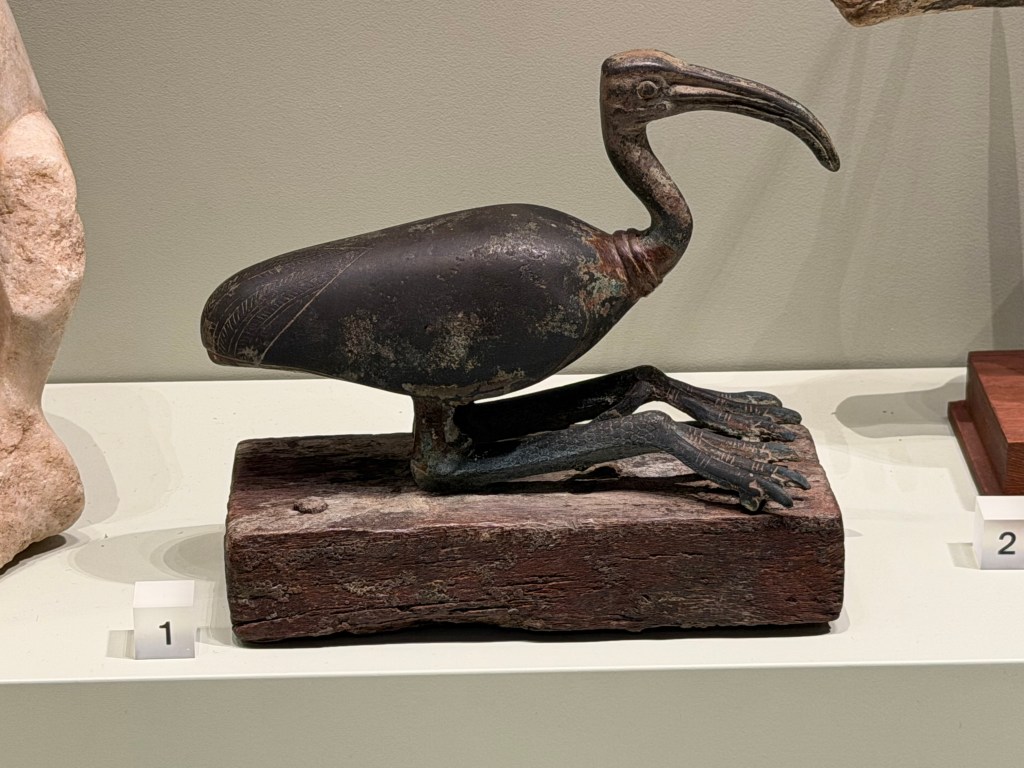
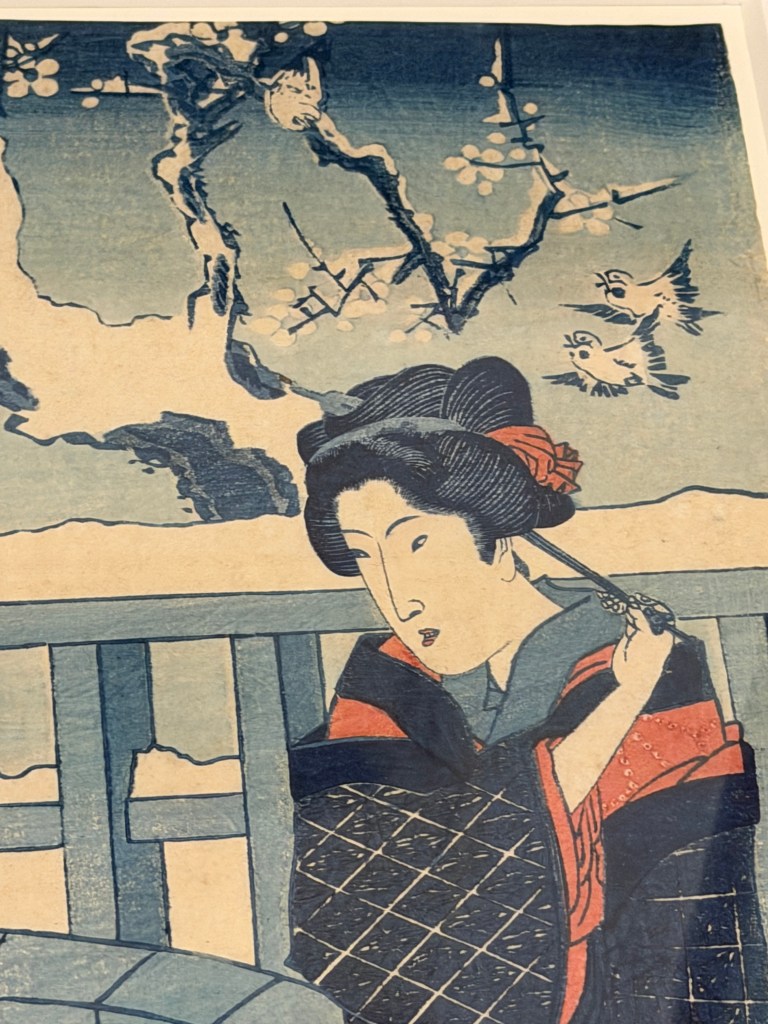
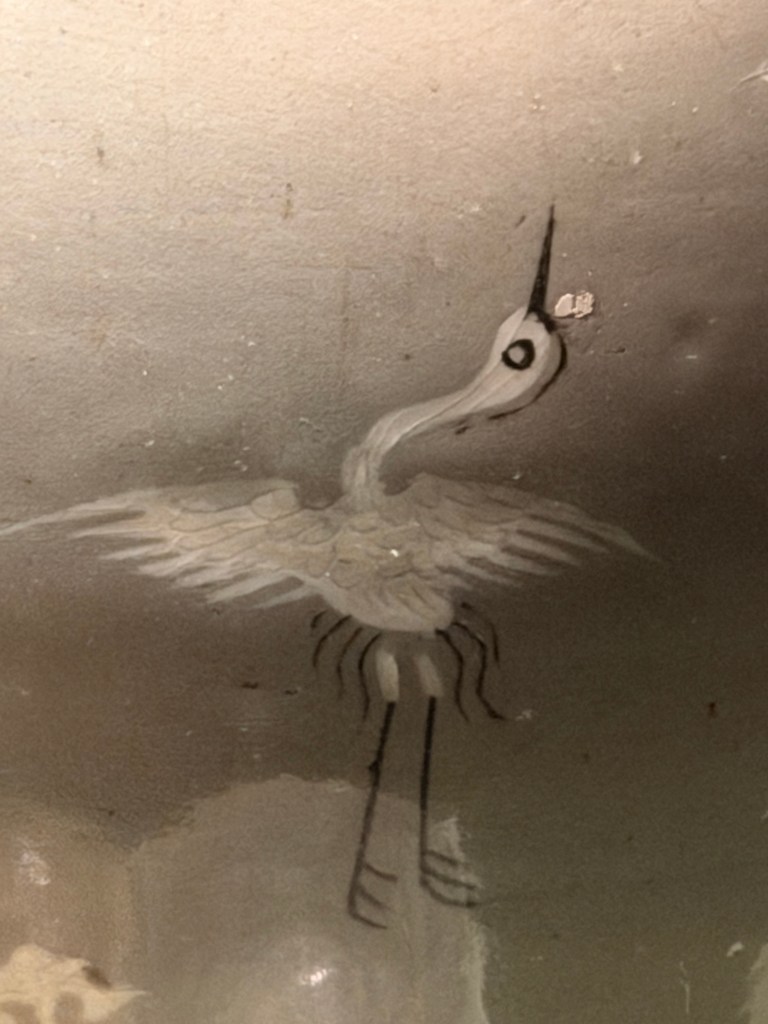
Throughout the galleries, I found several depictions of birds from up and down the centuries of human history. This gallery shows a few more.
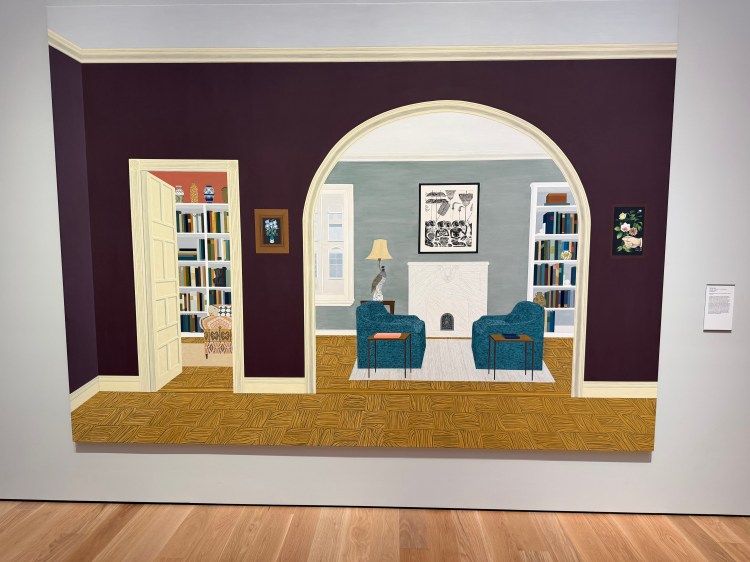
One of my favorite paintings seen today was by a contemporary artist, Becky Suss. Her “August, 2016” work that takes up most of a wall includes a lamp featuring a base resembling a peregrine falcon.
What I’ve posted represents most of the birds I observed, but I’m sure there are more to discover on future visits, which will be frequent. The museum is free to all comers and is open daily, with the exception of a few major holidays. If you can’t make it to Princeton, the museum’s website has a rich trove of photos of its collections. 🦅
 The Jersey Birder