
Although we had some rain overnight Sunday into Monday, we’ve had an extended drought here in the New York-Philadelphia region. Wildfires are burning here and there at a time of year when they shouldn’t be a concern.
Not a puddle is to be had at the Mercer Meadows Pole Farm or many of my other birding haunts in and around Princeton. In the Dyson Tract along the Delaware and Raritan canal, the marsh that should be luring mallards and gadwalls back for the cold months is stunningly dry.
Fortunately, there’s Abbott Marsh on the Trenton-Hamilton border. I drove down there over the weekend and was able to spot and photograph a good number of mallards and Northern pintails, such as the one floating atop this post.
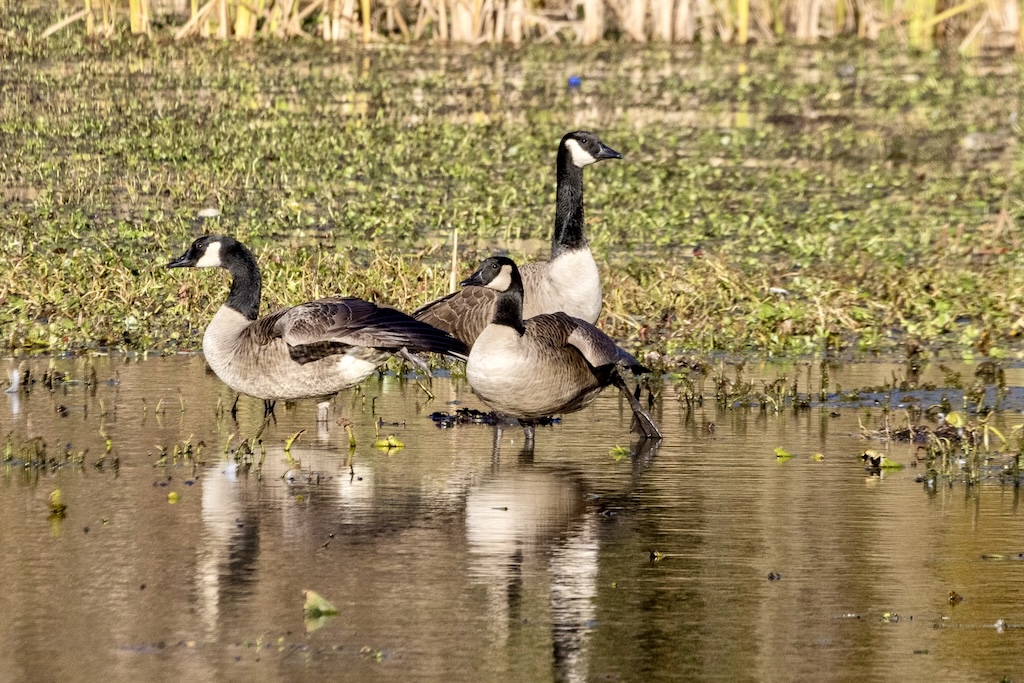
For a change of pace, I headed on Sunday morning to the Van Nest wildlife reserve, which is tucked in behind the dam that created Mercer Lake at Mercer County Park. I didn’t spot any waterfowl in the streams that run through the heavily wooded refuge, but white-throated sparrows were singing all around me and what may have been three pileated woodpeckers were chattering away.
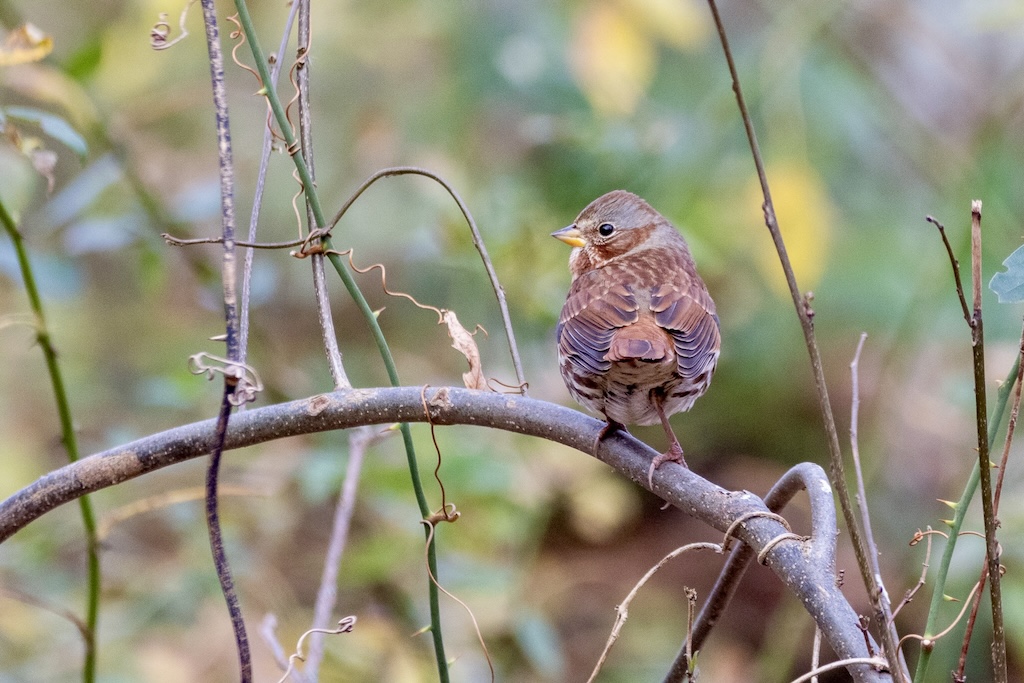
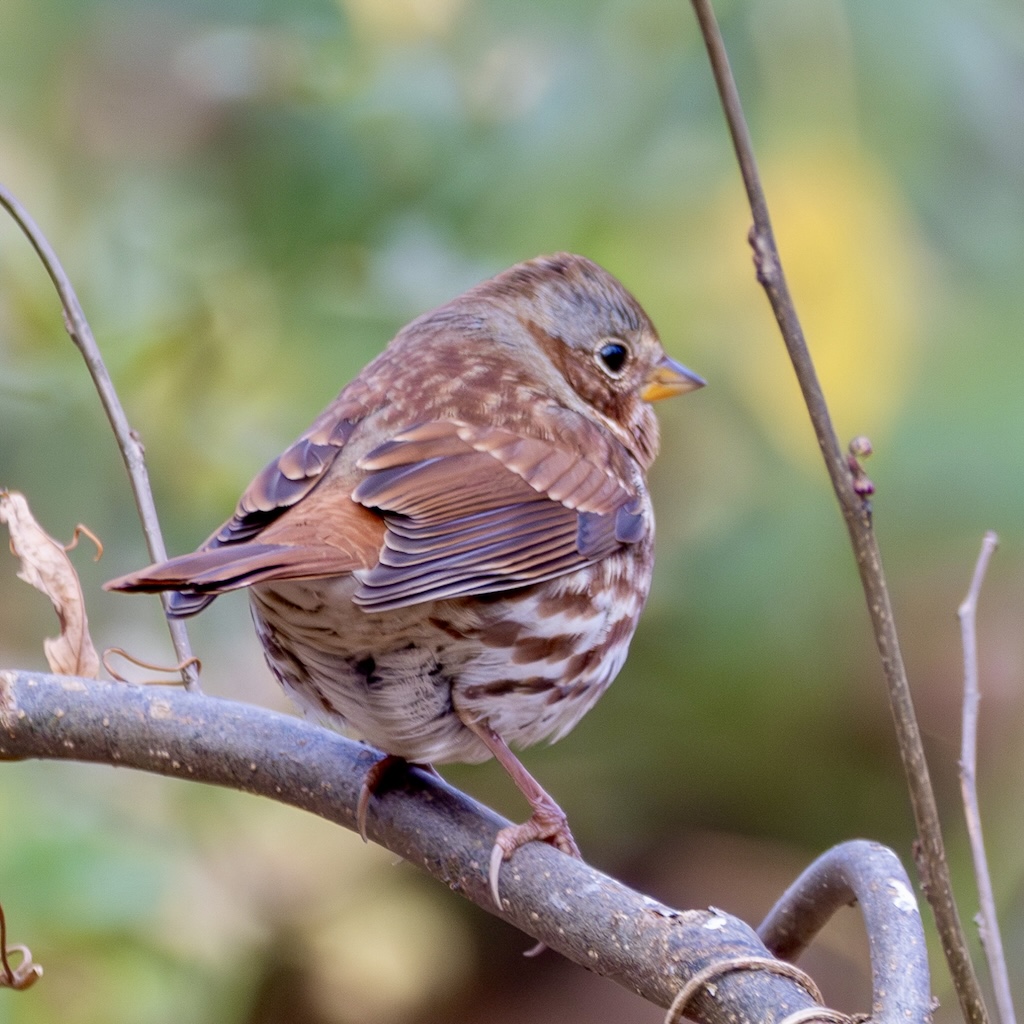
On my way back to my car, a swamp fox sparrow perched just ahead of me and gave me an opportunity to take its portrait. [Editor’s note: My friend Mark just tipped me that I misidentified the bird below as a swamp sparrow when, in fact, it was a fox sparrow. That information blows up this next, concluding paragraph, but I’d rather be accurate than clever.]
While swamps themselves are suffering these days, it’s good to know that swamp sparrows are hanging around, hoping just as we humans are for a good drenching or two to chase away the drought. 🦅
 The Jersey Birder